

What are the main criticisms of CSR?
Corporate social responsibility (CSR) asks companies to address their effects on workers, communities, and the environment, but its critics question whether voluntary commitments deliver meaningful change. You may encounter concerns that CSR prioritizes public relations over accountability, especially when a company promotes ethical policies while its supply chain still relies on unsafe factories or poorly paid workers.
Key Takeaways:
- Critics argue that corporate social responsibility (CSR) can conflict with shareholder primacy when companies spend on social or environmental goals without a clear link to long-term business performance.
- Voluntary CSR commitments often lack consistent standards, independent verification, and meaningful penalties, which can make accountability difficult to enforce.
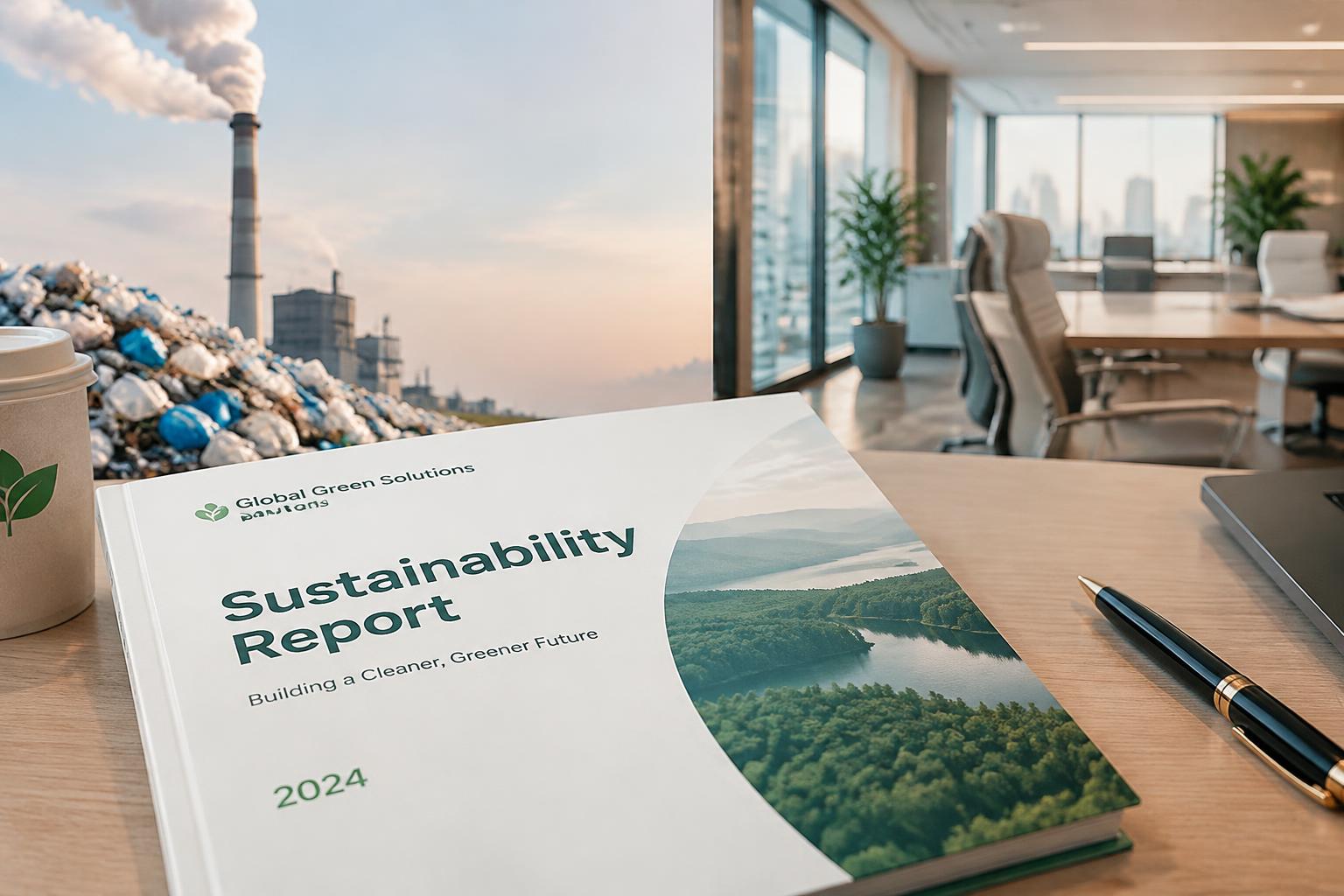
- CSR programs can serve as reputation management when public claims outpace measurable results, particularly in areas such as emissions reporting and supply-chain labor practices.
Profit, Fiduciary Duty, and Shareholder Primacy
Competing Duties
When you direct a company’s funds toward social or environmental goals, you face a familiar governance objection: managers are expected to act in the company’s interests, often understood as protecting long-term shareholder value. Critics argue that spending on CSR without a clear business rationale risks diverting resources from that duty. The concern is sharpest when executives commit shareholders’ capital to goals they personally favor, rather than goals authorized through corporate strategy or board oversight.
Where the Conflict Arises
In practice, the tension depends on the decision. You can justify safer working conditions or lower-emission equipment as investments in continuity, compliance, or operating efficiency; critics are more likely to object when a company accepts a material cost with no credible link to its business interests. Shareholder primacy frames returns as the governing priority, while CSR advocates argue that responsible conduct can serve the company’s long-term interests. The disagreement concerns which interests should guide management.
| Management choice | Shareholder primacy concern | Possible business rationale |
|---|---|---|
| Worker safety investment | Added operating cost | Reduced disruption and legal exposure |
| Lower-emission equipment | Capital diverted from other uses | Energy efficiency or regulatory readiness |
| Unrelated charitable spending | Use of company funds for a separate purpose | Reputational benefit, if tied to strategy |
Accountability and Corporate Power
Private influence over public priorities
Through voluntary CSR programs, you see companies set priorities on issues that affect workers, communities, and the environment, often without a public mandate. A corporation might fund local services, define workplace standards across its supply chain, or choose which community concerns receive attention. Such decisions place public priorities in private hands, while affected people may have little say in how those priorities are chosen.
Who answers for CSR decisions?
When you assess a company’s CSR commitments, ask who has authority to shape them and to whom decision-makers answer. Corporate boards and executives ultimately operate within the company’s governance structure, not as representatives elected by residents or workers. Community consultations and stakeholder panels can provide input, but participation is not democratic oversight if the company retains control over the agenda and final decisions.
- Company-appointed advisory panels
- Private control of program budgets
- Corporate selection of consultation topics
Greenwashing and Reputation Management
When you repeat a company’s environmental or social claims, polished language can make limited action sound like broad progress. A “carbon-neutral” label, for instance, may rest on purchased offsets while the company continues emitting greenhouse gases. Such selective claims shape your impression by foregrounding a favorable initiative and leaving material business practices out of view.
How Claims Shape Reputation
Corporate communications often present voluntary programs, product labels, or isolated projects as evidence of responsible conduct. You may see a packaging redesign promoted prominently while the company’s wider operations receive little attention. Reputation management becomes a criticism of CSR when the message implies company-wide change that the disclosed actions do not support.
| Communication tactic | What you see | What may be obscured |
|---|---|---|
| Broad sustainability slogan | A promise of responsible business | Which operations the promise covers |
| Product-level green label | A favorable claim on packaging | Impacts elsewhere in production |
| Featured charitable project | A visible community contribution | Other company conduct affecting communities |
Voluntary Standards and Weak Enforcement
Rules Without Consistent Oversight
Because many corporate social responsibility commitments are voluntary, you may encounter different definitions, reporting rules, and audit practices across companies. A supplier code, for instance, can set expectations for workplace safety without requiring independent inspections. Without consistent standards and credible enforcement, you have limited grounds to compare whether a company’s stated commitments reflect its actual operations.
- Supplier codes may omit subcontractors.
- Audits can be announced in advance.
- Corrective action plans may lack deadlines.
Measuring Impact and Defining Responsibility
For your CSR assessment, unclear metrics make outcomes difficult to verify. A company might report volunteer hours, emissions reductions, or supplier audits, but those figures measure different activities and do not establish the same social or environmental result. Without a defined baseline, scope, and time period, you cannot reliably tell whether reported progress reflects a lasting change or a change in how the company counts its work. Metric selection shapes the conclusion.
| Measure | What it tracks | Assessment limitation |
|---|---|---|
| Volunteer hours | Employee time contributed | Does not show community outcomes |
| Emissions intensity | Emissions relative to output | Can fall while total emissions rise |
| Supplier audits | Reviews completed at suppliers | Does not establish lasting compliance |
| Workplace injury rate | Recorded injuries within a defined workforce | Depends on reporting scope and consistency |
Responsibility is also defined differently across companies, industries, and stakeholder groups. You might see a firm treat legal compliance as its CSR boundary, while employees or nearby communities expect it to address wider effects of its purchasing and operations. Because scope determines accountability, a report that covers direct facilities but excludes contractors gives you a narrower picture than one that includes the supply chain. A clear boundary identifies which entities, impacts, and reporting periods are counted.
Final Words
CSR draws criticism because it can place voluntary commitments ahead of enforceable duties, let companies shape standards for their own conduct, and turn social or environmental claims into reputation management. You should also recognize the tension between shareholder returns and broader public responsibilities, as well as the difficulty of measuring impact across complex supply chains. These concerns do not make every CSR program ineffective, but they make accountability, transparent reporting, and independent verification central tests of a company’s claims.
FAQ
What are the main criticisms of CSR for companies?
The main criticisms are that CSR can compete with shareholder priorities, give companies influence over public issues without democratic oversight, rely on weak voluntary standards, and make results hard to assess. These concerns do not mean every CSR program is ineffective, but they make transparency, accountability, and clear goals important.
Is corporate social responsibility worth the cost?
CSR can be worth the cost when its goals align with a company’s responsibilities and stakeholders’ needs. Its value depends on the program’s real effects, costs, and accountability, so spending alone does not show whether it benefits society or the business.
What are common mistakes companies make with CSR?
Common mistakes include setting vague goals, relying on voluntary promises without accountability, and making claims that exceed a company’s actual conduct. A company can reduce these risks by using clear standards and reporting honestly, though measuring complex social and environmental outcomes can remain difficult.